Skip to content
Oxidative Stress: Symptoms, Causes, and Treatments
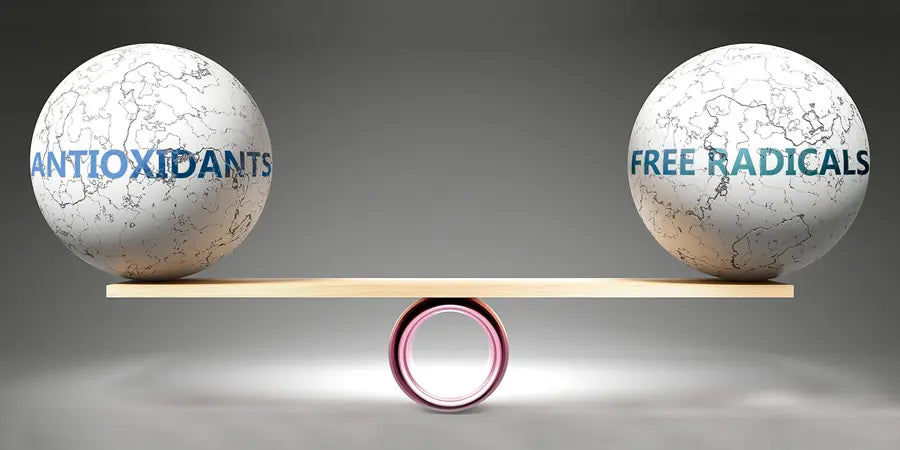
Oxidative stress is a biological process that occurs when the body's free radicals and antioxidants are imbalanced. This imbalance can have significant health consequences, as free radicals are unstable molecules that can damage cells, proteins, and DNA. Over time, this damage accelerates cellular aging and increases the risk of chronic diseases such as heart disease, cancer, and neurodegenerative disorders.
What is Oxidative Stress?
Oxidative stress occurs naturally as a byproduct of cellular metabolism. However, environmental factors and lifestyle choices can intensify this process. Free radicals are molecules produced during cellular oxidation that seek to stabilize by attacking other cellular structures. The body counters this damage through an antioxidant defense system, which can be endogenous (produced by the body) or exogenous (obtained through diet).
When the production of free radicals exceeds the body's ability to neutralize them, oxidative stress occurs. This phenomenon is linked to various diseases and is critical to premature aging.

Symptoms of Oxidative Stress
Oxidative stress can affect multiple systems in the body, and its symptoms vary depending on the severity and location of the cellular damage. The most common symptoms include:
- Fatigue and low energy: Damage to the mitochondria, the “powerhouses” of the cell, reduces the production of ATP (the primary energy source for cells), leading to persistent feelings of tiredness.
- Cognitive decline: Free radicals can damage brain cells, contributing to memory problems, slower cognitive processing, and, in more severe cases, neurodegenerative diseases such as Alzheimer’s.
- Premature aging of the skin: Oxidative damage affects collagen and elastin fibers, leading to wrinkles, sagging skin, and uneven skin tone.
- Muscle and joint pain: Chronic inflammation caused by oxidative stress can lead to muscle aches, joint pain, and stiffness.
- Weakened immune system: High levels of oxidative stress can suppress immune function, making the body more vulnerable to infections and illnesses.

Causes of Oxidative Stress
Several factors can intensify oxidative stress, many related to modern lifestyle choices. The main contributors include:
- Environmental toxins: Exposure to pollution, chemicals, and heavy metals can increase the production of free radicals in the body, exacerbating oxidative stress.
- Unhealthy diet: A diet rich in processed foods, refined sugars, and unhealthy fats promotes the production of free radicals during metabolism, causing an imbalance in the body.
- Excessive exercise: While moderate exercise benefits health and boosts antioxidant production, prolonged or intense exercise can generate excessive free radicals, overwhelming the body’s ability to neutralize them.
- Chronic stress and sleep deprivation: Continuous stress and lack of sleep negatively affect antioxidant production, contributing to oxidative imbalance.
- Chronic inflammatory diseases: Conditions such as obesity, diabetes, and cardiovascular diseases increase the production of free radicals, creating a cycle of sustained oxidative stress.

Treatments in Functional Medicine
Functional medicine provides an integrated approach to managing oxidative stress, focusing on prevention and treatment through lifestyle changes. Key strategies include:
- Antioxidant-rich diet: A nutrient-dense diet rich in fruits, vegetables (such as berries, spinach, kale, and broccoli), nuts, seeds, and whole grains provide the necessary compounds to fight free radicals. Vitamins such as C and E, minerals like zinc and selenium, and phytonutrients like flavonoids are crucial.
- Antioxidant supplements: Certain supplements can enhance the body’s antioxidant defenses. Vitamin C, Vitamin E, coenzyme Q10, glutathione, and resveratrol are beneficial for boosting cellular protection. However, it’s essential to consult a healthcare provider before taking supplements to determine the correct dosage.
- Moderate exercise: Regular physical activity stimulates the body’s antioxidant production, improving circulation and cellular health. Activities such as walking, swimming, or light strength training are ideal. However, excessive or high-intensity exercise should be avoided, as it can lead to an overload of free radicals.
- Stress management techniques: Chronic stress raises cortisol levels, contributing to oxidative stress. Meditation, deep breathing, and mindfulness can help reduce stress and restore balance. Additionally, laughter and social connections have been shown to reduce stress markers and improve overall health.
- Quality sleep: Sleeping 7–8 hours per night is essential for cellular repair and antioxidant regulation. Sleep deprivation has been linked to increased oxidative stress, so a regular sleep routine is vital to maintaining balance.
- Avoidance of toxins: Reducing exposure to pollutants, chemicals, and tobacco smoke can lessen the burden of free radicals on the body. Key steps include choosing organic foods, using natural cleaning products, and avoiding air pollution.
Preventing Oxidative Stress
Prevention is crucial in minimizing the long-term effects of oxidative stress. Adopting a healthy lifestyle that includes a diet rich in antioxidants, regular exercise, stress management, and adequate sleep can significantly reduce the impact of oxidative stress. Furthermore, avoiding exposure to toxins and pollutants is essential for maintaining a healthy oxidative balance.
Conclusion
Oxidative stress is an inevitable process in the body, but its effects can be mitigated through proactive measures. Adopting a holistic approach that includes a diet rich in antioxidants, regular exercise, stress reduction, and quality sleep makes it possible to maintain the balance between free radicals and antioxidants, protecting the body from premature aging and chronic diseases.
Bibliography
- Agarwal, A., Gupta, S., & Sharma, R. K. (2005). Role of oxidative stress in female reproduction. Reproductive Biology and Endocrinology, 3(1), 1-21.
- Li, X., Du, J., & Fan, Y. (2016). Vitamin E: Biological activity and protective effects against radical-induced damage. Free Radical Biology and Medicine, 101, 70-77.
- Zuo, L., Prather, E. R., Stetskiv, M., & Zhou, T. (2020). Biological and physiological functions of reactive oxygen species signaling pathways in muscle physiology. Antioxidants, 9(9), 890.