Skip to content
What are Senescent Cells? Aging impacts & Cellular Complexes Solutions
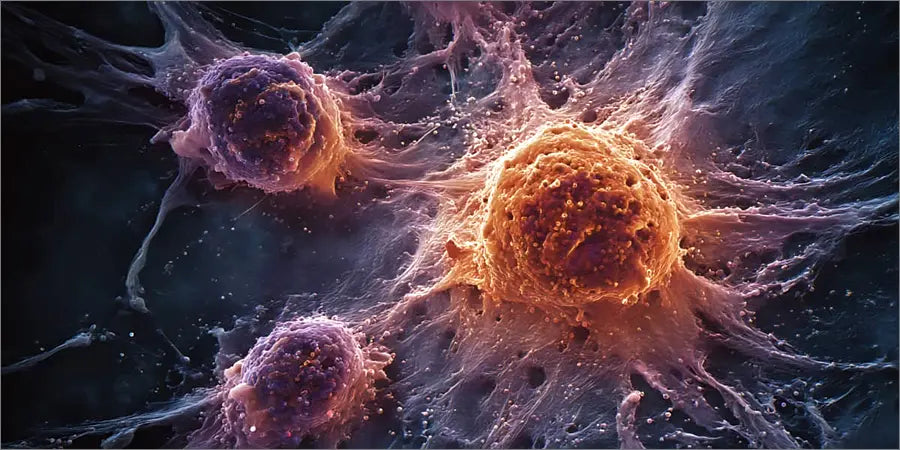
Senescent cells are essentially "zombie cells" in our bodies that have stopped dividing but refuse to die. This phenomenon, cellular senescence, is a protective mechanism against damaged DNA and a contributor to the aging process and related diseases. Although cellular senescence helps prevent cancer development by halting the division of damaged cells, accumulating senescent cells over time can impair tissue function, contribute to chronic inflammation, and increase the risk of age-related diseases. Understanding how senescence works, its triggers, and how to manage it has become a significant focus in pursuing healthy aging.
What are Senescent Cells?
When cells are exposed to harmful conditions or reach the end of their replicative capacity, they may enter a state called senescence. In this state, the cell stops dividing and undergoes significant changes, such as secreting inflammatory factors, growth factors, and enzymes that modify the surrounding tissue. This process is called the senescence-associated secretory phenotype (SASP). While SASP signals the immune system to clear away senescent cells, the immune system becomes less efficient with age, allowing these cells to accumulate. Over time, this can create a pro-inflammatory environment, which contributes to tissue damage and the progression of various chronic conditions, including arthritis, diabetes, cardiovascular disease, and even certain cancers.

When does Cellular Senescence begin?
Cellular senescence can begin at any point in life due to various types of cellular damage, though it becomes more common with age. Each time a cell divides, the protective caps on the ends of chromosomes, called telomeres, shorten slightly. When telomeres become too short, they trigger a DNA damage response that causes the cell to enter senescence. Telomere shortening is a natural part of aging, but environmental stressors, unhealthy lifestyles, and genetic factors can accelerate this process, leading to premature senescence.
In addition to telomere shortening, other factors like DNA damage from UV radiation, pollution, and lifestyle-related oxidative stress can prompt cells to enter senescence. Cells can also become senescent if they activate certain genes associated with cancer, serving as a protective measure to prevent the uncontrolled cell growth characteristic of tumors.
Factors that affect Cellular Senescence
Several internal and external factors affect the rate at which cells enter senescence:
- DNA damage: Persistent DNA damage from environmental sources like UV light, toxins, or radiation, as well as internal sources like free radicals, can lead to cellular senescence if the damage is irreparable.
- Oxidative stress: Oxidative stress is caused by an imbalance between free radicals and antioxidants. A diet low in antioxidants, high stress levels, and exposure to pollutants can all accelerate oxidative stress, which damages cells and accelerates senescence.
- Telomere shortening: Each cell division shortens telomeres, leading to senescence once they reach a critically short length. Poor lifestyle choices such as smoking, lack of exercise, and unhealthy diets can accelerate telomere shortening.
- Chronic inflammation: Conditions that cause chronic inflammation, like obesity and autoimmune diseases, also promote the spread of senescent cells. This occurs because inflammatory signals can make neighboring cells senescent, creating a cycle that worsens with age.
- Metabolic stress: Excessive calorie intake, poor dietary choices, and metabolic diseases like diabetes contribute to higher levels of senescent cells through processes related to glucose toxicity and insulin resistance.

How to prevent Cellular Senescence
While we can't entirely stop cellular senescence, lifestyle, and diet choices can slow its progression and support cellular health:
- Antioxidant-rich diet: Consuming foods rich in antioxidants (such as berries, green leafy vegetables, and nuts) helps reduce oxidative stress, slowing cellular damage. Supplementing vitamins C and E, as well as compounds like resveratrol and glutathione, may also help.
- Regular exercise: Physical activity has been shown to reduce oxidative stress, improve circulation, and enhance immune function. These factors combined help reduce the rate of cellular senescence.
- Stress management: Chronic stress releases hormones that promote inflammation, indirectly accelerating cellular senescence. Mindfulness practices like meditation, yoga, and breathing exercises can help keep stress under control.
- Healthy weight and anti-inflammatory diet: Maintaining a healthy weight and following a diet that reduces inflammation (like the Mediterranean diet) can reduce the likelihood of metabolic conditions that drive senescence.
High-Potency Cellular Complexes in Combating Senescence
High-potency cellular complexes have emerged as a novel approach to fight against senescence. These complexes are short chains of amino acids that can target cells specifically and have various roles depending on their structure and function. In the context of aging, certain complexes can enhance cellular repair, reduce inflammation, and improve tissue regeneration, making them valuable tools for maintaining cellular health and longevity.

- Tissue repair and regeneration: Certain complexes stimulate collagen production and promote tissue repair, which helps reduce the load of senescent cells and maintain tissue integrity as we age.
- Anti-inflammatory Properties: Some complexes have potent anti-inflammatory effects, which help counteract SASP’s pro-inflammatory effects. Reducing chronic inflammation is essential for slowing the spread of senescent cells and supporting healthy tissue.
- Enhanced cellular autophagy: Cellular autophagy is the process by which cells "clean up" damaged components, which helps prevent the buildup of harmful byproducts and reduces cellular stress. Specific complexes may stimulate autophagy, indirectly reducing the likelihood of senescence.
- Improved mitochondrial function: Mitochondria, the cell's powerhouses, can deteriorate with age, increasing oxidative stress. High-potency complexes can enhance mitochondrial function, reduce oxidative damage, and slow the progression of cellular senescence.
Conclusion
Senescent cells are a vital contributor to aging and age-related diseases, but a combination of healthy lifestyle practices and emerging therapies offers hope for slowing or managing cellular senescence. High-potency cellular complexes provide a promising approach for supporting tissue health, reducing inflammation, and even reversing certain aspects of cellular aging. As research into senolytic therapies, we may soon see more effective options for promoting healthy aging and extending the quality of life.
Bibliography
- Campisi, J., & d'Adda di Fagagna, F. (2007). Cellular senescence: When bad things happen to good cells. Nature Reviews Molecular Cell Biology, 8(9), 729-740.
- van Deursen, J. M. (2014). The role of senescent cells in ageing. Nature, 509(7501), 439-446.
- Kirkland, J. L., & Tchkonia, T. (2017). Cellular senescence: A translational perspective. EBioMedicine, 21, 21-28.
- López-Otín, C., Blasco, M. A., Partridge, L., Serrano, M., & Kroemer, G. (2013). The hallmarks of aging. Cell, 153(6), 1194-1217.